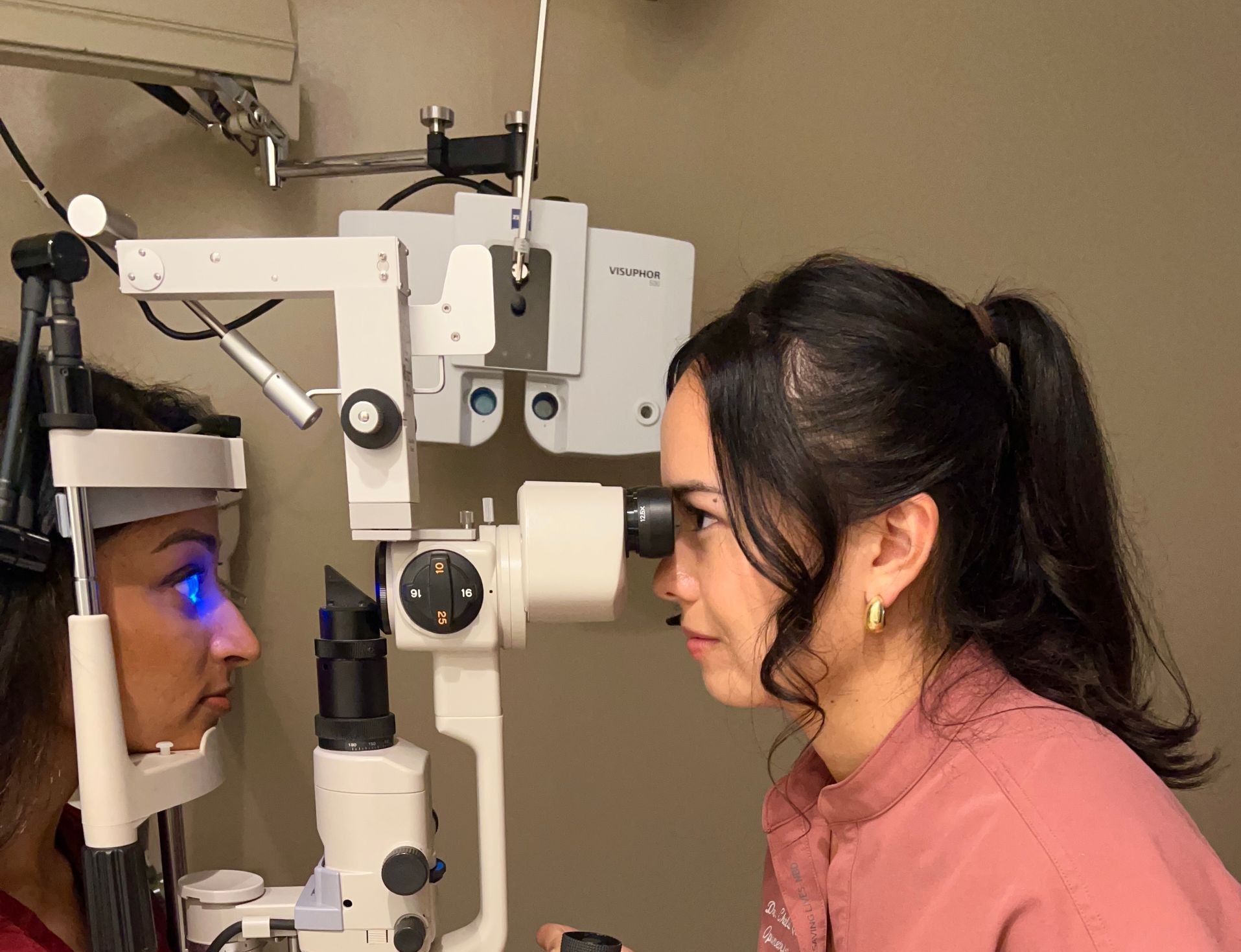
Diabetes and Your Eyes: What St. Pete Patients Need to Know
How Diabetes Affects Your Eyes: Why Regular Eye Exams Matter
November is American Diabetes Month, a time when the American Diabetes Association and communities across the country work to raise awareness about diabetes and its effects on everyday health. It’s also a good reminder that diabetes can affect much more than your blood sugar. Over time, elevated blood sugar can damage the small blood vessels that supply your eyes, raising your risk of serious vision problems and eye disease. For people living with diabetes in St. Petersburg and throughout the Tampa Bay area, regular comprehensive eye exams are one of the most important ways to protect long-term vision. At Bay Vision, we help patients understand how diabetes can affect their eyes and why catching changes early makes such a difference.
Diabetic Retinopathy and Other Diabetes-Related Eye Conditions
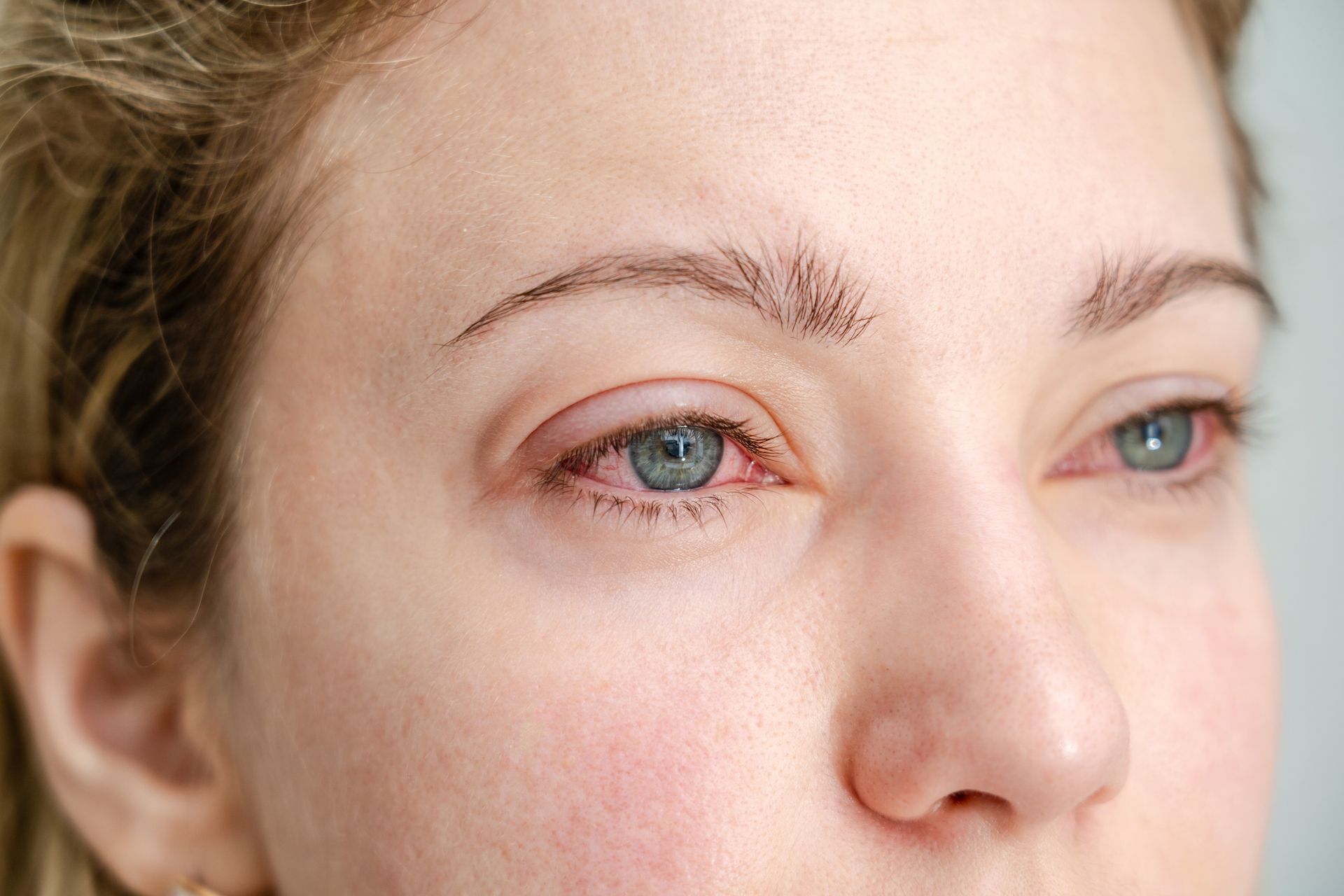
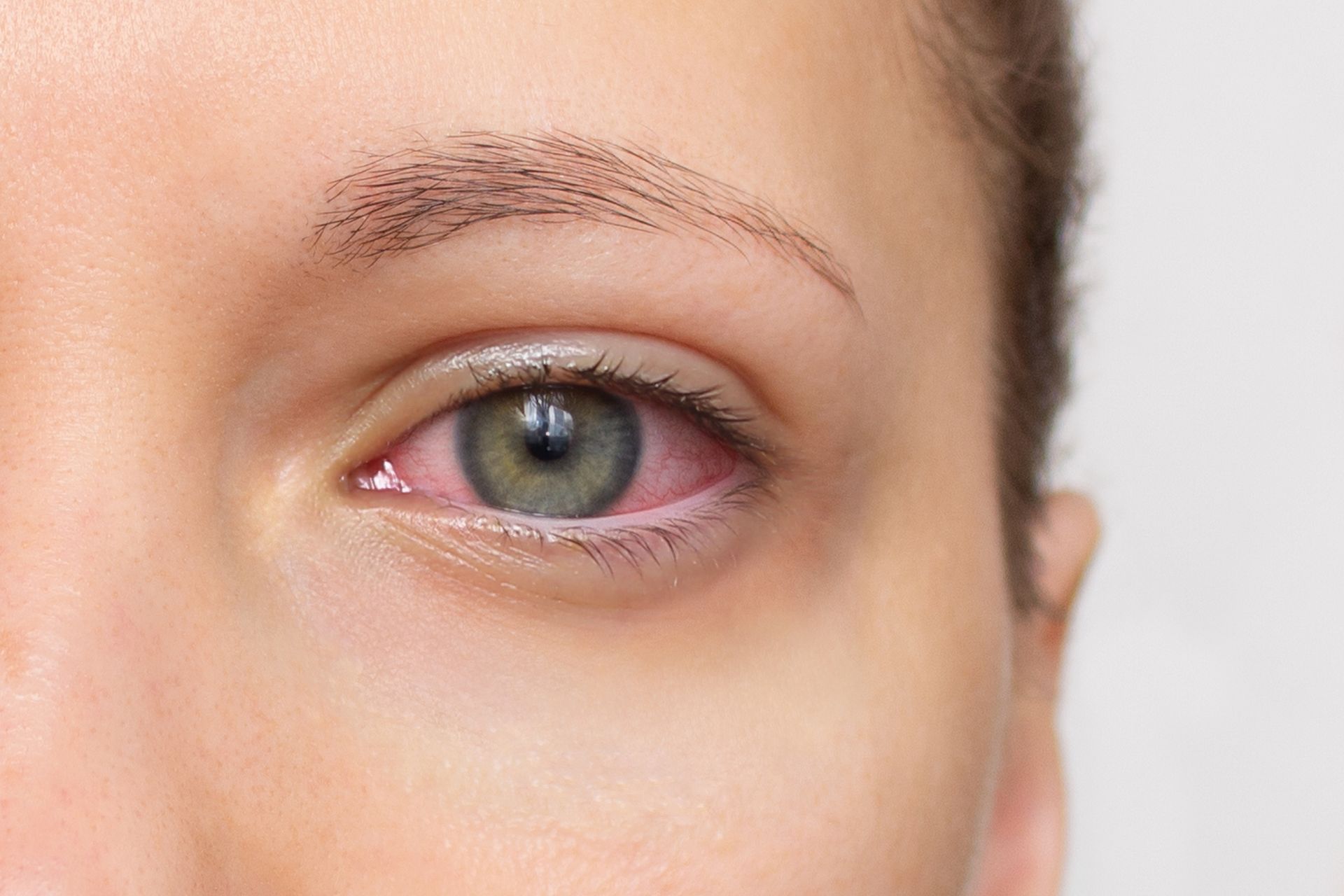
When blood sugar stays high, it can damage the tiny blood vessels in the retina, the light-sensitive tissue at the back of the eye. This condition, called diabetic retinopathy, is one of the most common ways diabetes affects vision. In its early stages, you may not notice anything different. As it progresses, the damaged vessels can leak fluid or blood into the eye, which can lead to blurry or distorted vision, dark spots or floaters, trouble seeing at night, and eventually vision loss or even blindness in severe cases. Because retinopathy often develops without obvious symptoms, a comprehensive dilated eye exam is essential, even if your vision seems perfectly normal.
Retinopathy can also lead to diabetic macular edema, or DME, which happens when fluid builds up in the macula, the part of the retina responsible for sharp, central vision. DME can make vision blurry or wavy and is a leading cause of vision impairment in people with diabetic retinopathy.
Diabetes raises the risk of other eye conditions as well. People with diabetes may develop cataracts at a younger age or see them progress more quickly, clouding the eye’s natural lens and causing blurry vision, glare, and difficulty seeing at night. Diabetes is also associated with a higher risk of glaucoma, which damages the optic nerve and can cause permanent vision loss. Like retinopathy, glaucoma often has no noticeable symptoms early on, which is why routine exams are so important for catching it before significant damage occurs.
Even though many diabetic eye conditions start silently, some changes deserve prompt attention. If you notice sudden changes in your vision, new or increased floaters, flashes of light, a dark area or “curtain” across your vision, blurry or distorted sight, or trouble reading and seeing details, contact your eye doctor right away. Sudden vision changes or sudden vision loss should be treated as an eye emergency, and quick evaluation can be critical to protecting your sight.
How Often to Get Checked, and What You Can Do
The right exam schedule depends on your age, the type of diabetes you have, how well your blood sugar is controlled, and whether you’ve already developed diabetic eye disease. In general, people with diabetes should have regular comprehensive eye exams that include an evaluation of the retina, and your eye care provider can recommend a schedule that fits your needs. The key is not to wait until you notice a problem, since diabetic eye disease can progress before you realize anything is wrong.
You can’t eliminate your risk entirely, but managing your diabetes well can significantly lower your chances of serious eye complications. That means keeping your blood sugar within the range your healthcare provider recommends, staying on top of your blood pressure and cholesterol, taking medications as prescribed, not smoking, and maintaining a healthy diet with regular physical activity. Keeping up with your medical appointments matters too, and above all, don’t skip your diabetic eye exams. If you’ve been meaning to get back on track, Diabetes Awareness Month is a natural time to check in on your overall care plan, including your eyes. Early detection gives your eye care team the best chance to monitor changes and recommend treatment when it’s needed.
Schedule a Diabetic Eye Exam in St. Pete This November
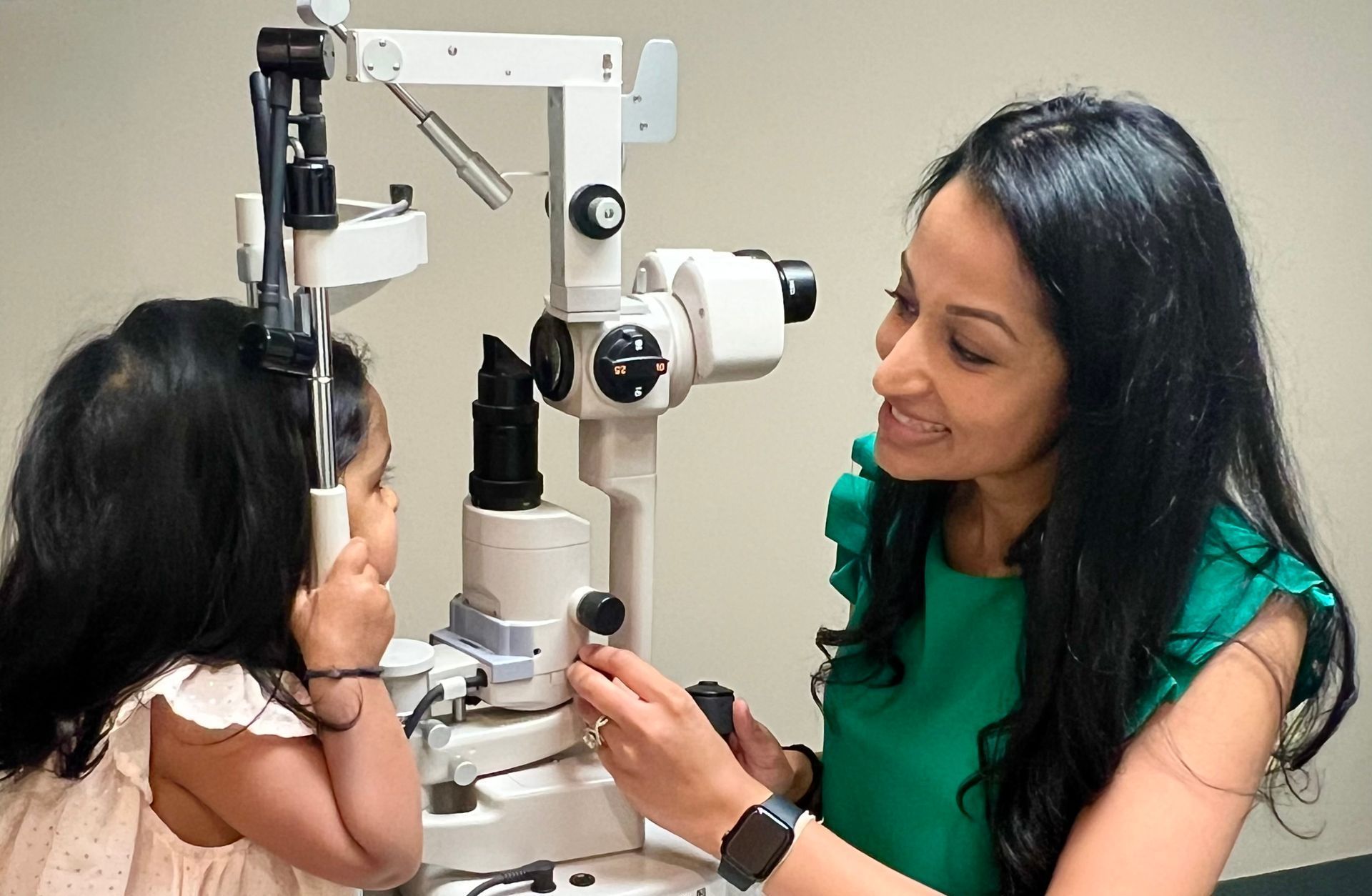
Living with diabetes doesn’t mean you’re destined to lose your vision. With good diabetes management and regular eye care, many diabetes-related eye problems can be detected early and treated appropriately. If it’s been a while since your last comprehensive eye exam, consider scheduling an appointment with Bay Vision in St. Petersburg, Florida. Our team can evaluate your eye health, check for signs of diabetic eye disease, and help you understand what you can do to protect your vision.
Your eyes can offer important clues about your overall health, so don’t wait for symptoms to appear. This Diabetes Awareness Month, make your eye health part of the conversation and schedule your comprehensive eye exam today. It’s an important step toward protecting your sight for years to come.