
Eye Care Information
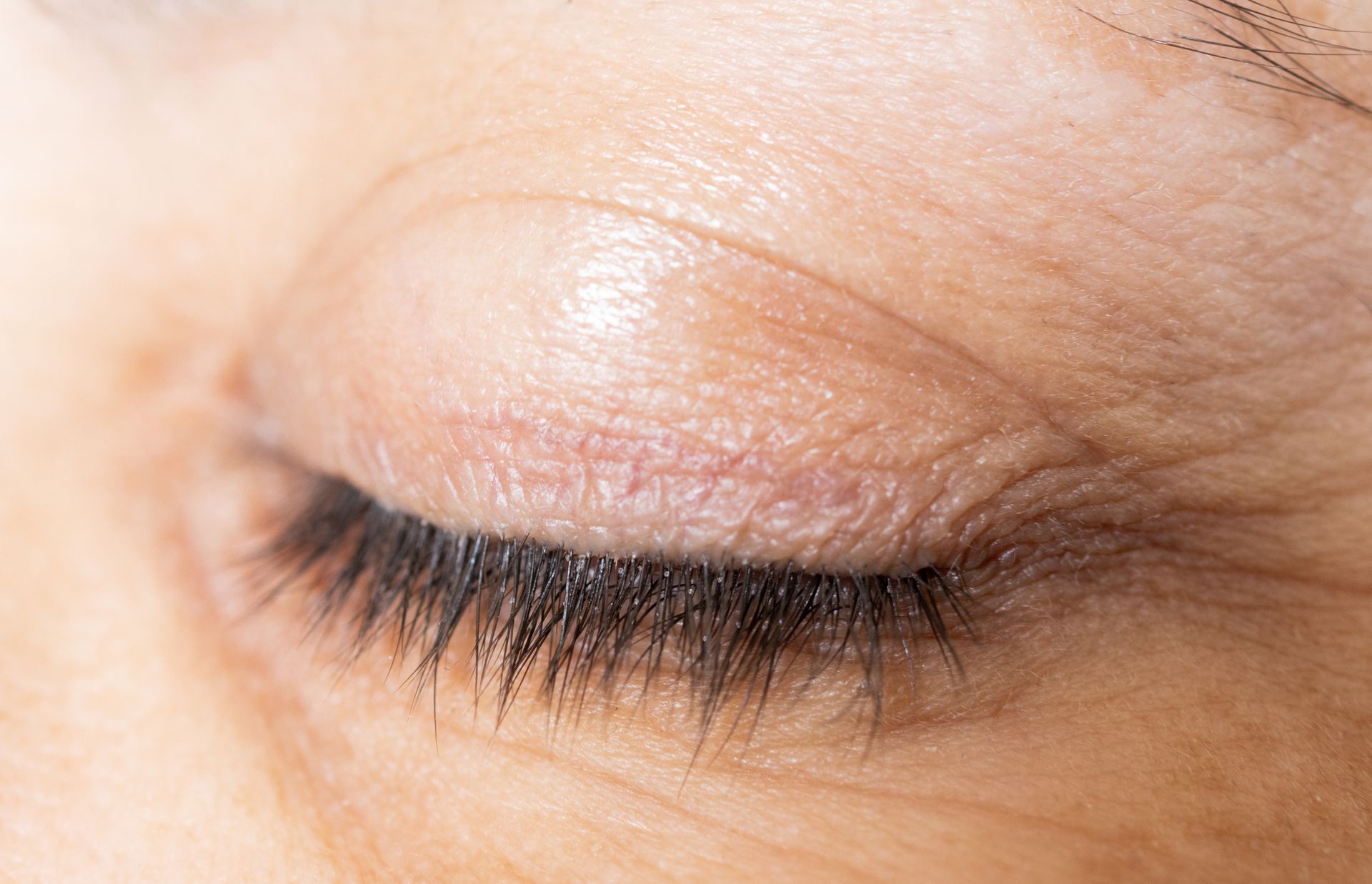
If you've been dealing with itchy eyelids, red eyes, crusty lashes, or chronic irritation that never seems to go away, the culprit may be something you can't even see: eye mites. Known as Demodex mites , these microscopic organisms live naturally on human skin and eyelashes. While they are common, an overgrowth can lead to uncomfortable symptoms and ongoing eye health issues. Many people turn to home remedies after searching online, but treating eye mites effectively often requires professional diagnosis and care. At Bay Vision, we help patients identify and treat Demodex infestations before they lead to more serious eye health concerns.
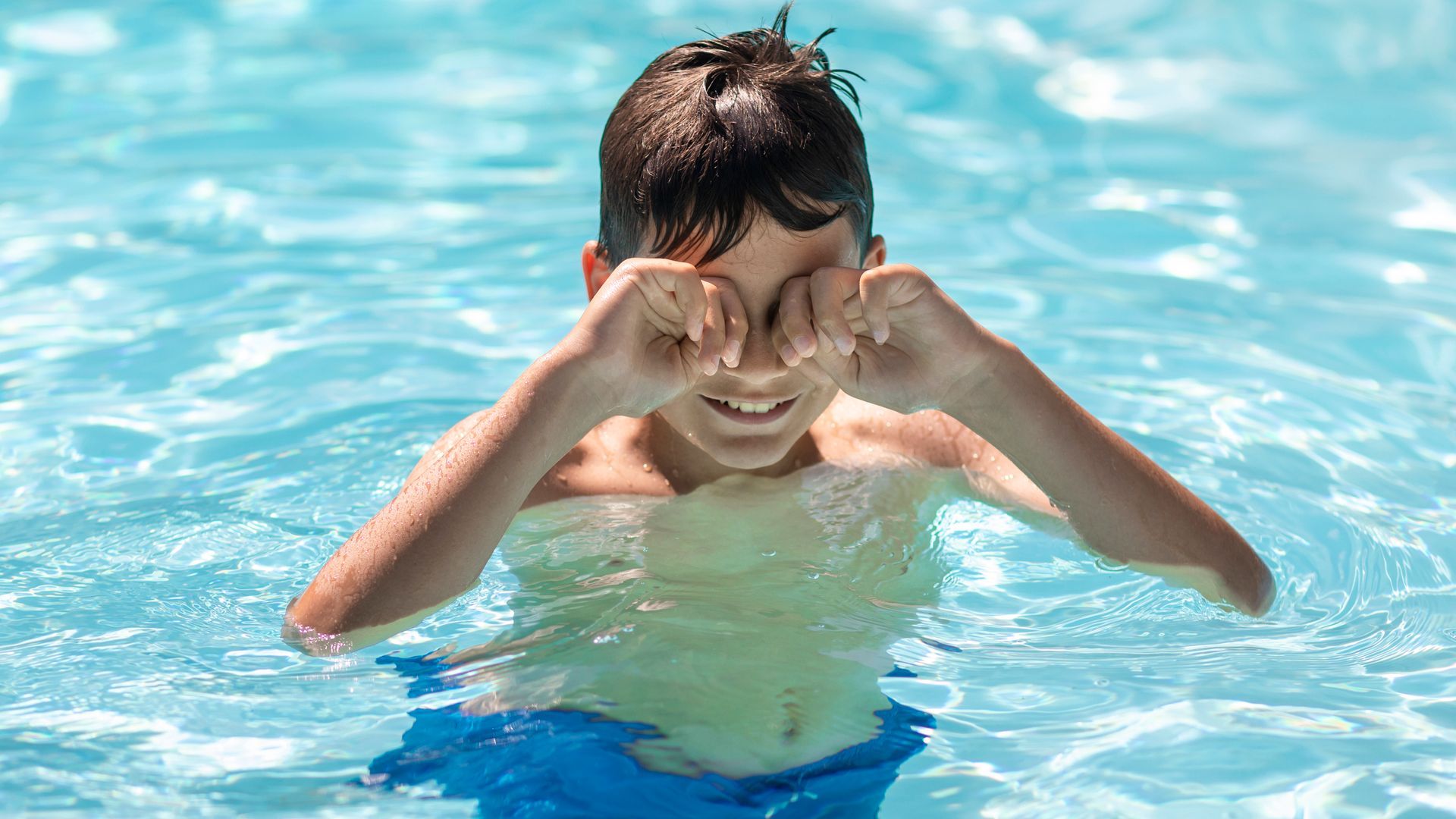
St. Petersburg’s beautiful waterfront lifestyle makes it easy to spend weekends boating, fishing, paddleboarding, kayaking, or relaxing at the beach. While these activities are great for enjoying the Florida sunshine, they can also expose your eyes to UV rays, saltwater, wind, and debris that may lead to irritation or long-term damage if you are not properly protected. At Bay Vision, we want our patients to enjoy everything St. Pete has to offer while keeping their vision healthy and clear. Here are some important tips to help protect your eyes during water sports and outdoor waterfront activities. Wear Polarized Sunglasses with UV Protection One of the biggest threats to eye health in Florida is ultraviolet (UV) radiation. Water reflects sunlight, increasing UV exposure and placing added strain on your eyes. Over time, excessive UV exposure may contribute to cataracts, macular degeneration, and other vision concerns. When spending time on the water, choose sunglasses that: Block 100% of UVA and UVB rays Include polarized lenses to reduce glare Fit securely during activity Offer wraparound protection to shield against wind and debris Polarized lenses are especially helpful for boaters and anglers because they reduce glare from the water’s surface, improving visibility and comfort. Protect Your Eyes While Swimming Swimming pools, saltwater, and freshwater environments can all irritate the eyes. Chlorine may dry out your eyes, while bacteria and contaminants in natural water sources can increase the risk of infection. To minimize irritation: Wear swim goggles whenever possible Rinse your eyes with clean water after swimming Avoid rubbing your eyes with wet hands Use lubricating eye drops if your eyes feel dry afterward For individuals who need vision correction, prescription swim goggles can provide clear vision while protecting your eyes in the water. Consider Prescription Goggles for Water Activities If you wear glasses or contacts, water sports can create unique challenges. Standard eyeglasses are not ideal for boating, jet skiing, or swimming, and contact lenses can sometimes trap bacteria against the eye. Prescription goggles are a convenient option for: Lap swimming Snorkeling Recreational swimming Water skiing Paddleboarding These customized goggles help you see clearly while keeping water away from your eyes. Ask About Water-Resistant Contact Lens Options Many active patients prefer contact lenses for outdoor recreation because they provide freedom of movement and a wider field of vision. However, wearing contact lenses in water can increase the risk of irritation or infection. If you wear contacts during water activities: Never swim in contact lenses without protective goggles Use daily disposable contacts whenever possible Remove lenses immediately if your eyes become irritated Follow proper cleaning and replacement schedules At Bay Vision, we can help determine whether water-friendly contact lens options are right for your lifestyle. Prevent Dry Eyes from Wind and Sun Exposure Boating and beach activities often expose your eyes to wind, sun, and salt air for extended periods. These conditions can worsen dry eye symptoms such as: Burning Redness Blurry vision Excess tearing Eye fatigue To reduce discomfort: Wear wraparound sunglasses Stay hydrated Use preservative-free artificial tears Take breaks from direct sun exposure If dry eye symptoms persist, our team can recommend treatments designed to improve comfort and eye health. Watch for Signs of Eye Irritation or Infection After water activities, pay attention to symptoms that may indicate an eye infection or injury, including: Persistent redness Sensitivity to light Eye pain Swelling Discharge Blurred vision Prompt treatment is important to avoid complications. If you experience ongoing discomfort after swimming or boating, schedule an eye exam as soon as possible. Schedule Routine Eye Exams Before Peak Boating Season Regular eye exams help ensure your vision stays sharp for safe and enjoyable time on the water. Whether you need updated prescriptions, prescription sunglasses, contact lenses, or treatment for dry eye symptoms, routine exams allow us to detect issues early. At Bay Vision, we help St. Petersburg residents protect their eyes while enjoying the active Florida lifestyle they love. Protect Your Vision While Enjoying St. Pete’s Waterfront Lifestyle From fishing trips in Tampa Bay to afternoons at St. Pete Beach, protecting your eyes should be part of every outdoor adventure. Proper eyewear, healthy habits, and regular eye care can help preserve your vision for years to come. If you are interested in prescription sunglasses, contact lenses, prescription goggles, or a comprehensive eye exam, contact Bay Vision today to schedule an appointment.
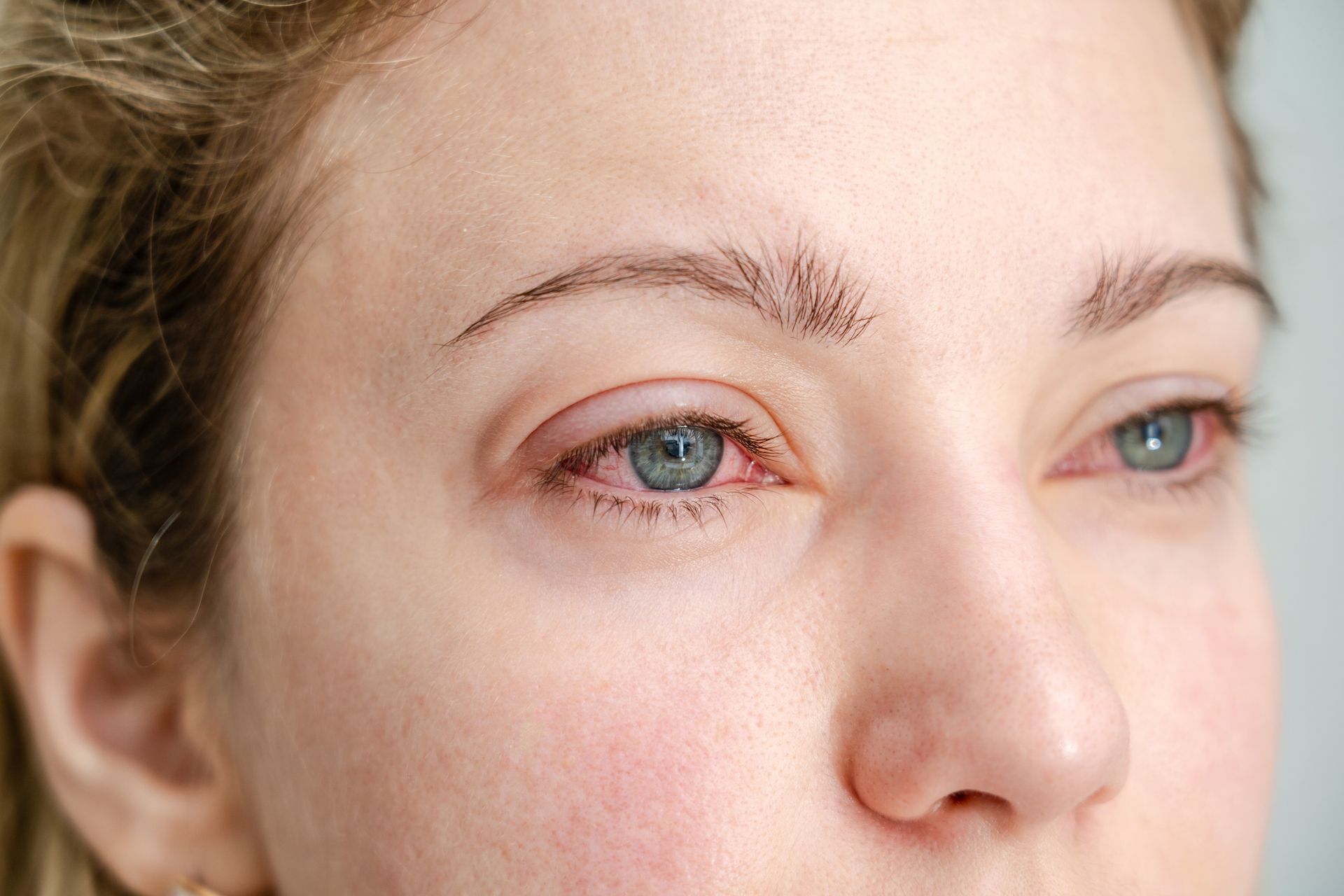
If you live in Florida, especially here in St. Pete, you already know that “allergy season” doesn’t really come and go… it lingers. With year-round sunshine, blooming plants, and high pollen counts, seasonal allergies are a constant companion for many residents. And while sneezing and congestion get most of the attention, your eyes are often hit just as hard. At Bay Vision Optometry, we frequently see patients dealing with allergy-related eye symptoms. Let’s take a closer look at how Florida’s environment affects your eyes—and what you can do to find relief. Why Allergies Hit Your Eyes So Hard in Florida Florida’s warm, humid climate creates the perfect environment for allergens like pollen, mold, and grass to thrive nearly all year long. When these allergens come into contact with your eyes, your body reacts by releasing histamines chemicals that trigger inflammation. This leads to a condition called allergic conjunctivitis , which can be both uncomfortable and frustrating. Common Eye Allergy Symptoms If you’re dealing with seasonal allergies, you may notice: Itchy eyes (often the most intense symptom) Redness and irritation Excessive tearing or watery eyes Swollen eyelids Burning or gritty sensation Light sensitivity These symptoms can range from mild to severe and may interfere with daily activities like driving, working, or enjoying time outdoors. Tips for Finding Relief The good news? There are several effective ways to manage and reduce eye allergy symptoms. 1. Avoid Your Triggers When Possible Check daily pollen counts and limit outdoor exposure on high-count days Keep windows closed during peak allergy seasons Shower and change clothes after spending time outside 2. Don’t Rub Your Eyes It might feel like a quick fix, but rubbing actually makes symptoms worse by releasing more histamines and increasing irritation. 3. Use Cold Compresses Applying a clean, cold compress to your eyes can help reduce swelling and soothe itching. 4. Try Artificial Tears Lubricating eye drops can help flush allergens out of your eyes and provide immediate relief from dryness and irritation. Professional Treatments at Bay Vision Optometry If over-the-counter solutions aren’t enough, it may be time to seek professional care. At Bay Vision Optometry, we offer a range of treatments tailored to your specific symptoms, including: Prescription antihistamine eye drops to reduce itching and inflammation Mast cell stabilizers to prevent allergic reactions before they start Combination drops for both immediate and long-term relief Personalized recommendations based on your lifestyle and allergy triggers We can also help rule out other conditions that may mimic allergies, such as dry eye syndrome or infections. When to Schedule an Eye Exam If your symptoms persist, worsen, or begin to affect your vision, don’t wait it out. Chronic eye irritation can lead to more serious issues if left untreated. A comprehensive eye exam at Bay Vision Optometry can help identify the root cause and get you on the right treatment plan so you can get back to enjoying everything St. Pete has to offer, without the constant discomfort. See Clearly, Comfortably Seasonal allergies may be a part of life in Florida, but eye discomfort doesn’t have to be. With the right care and treatment, you can keep your eyes healthy, clear, and comfortable year-round. If you’re struggling with allergy-related eye symptoms, schedule a visit with Bay Vision Optometry today we’re here to help you find lasting relief.
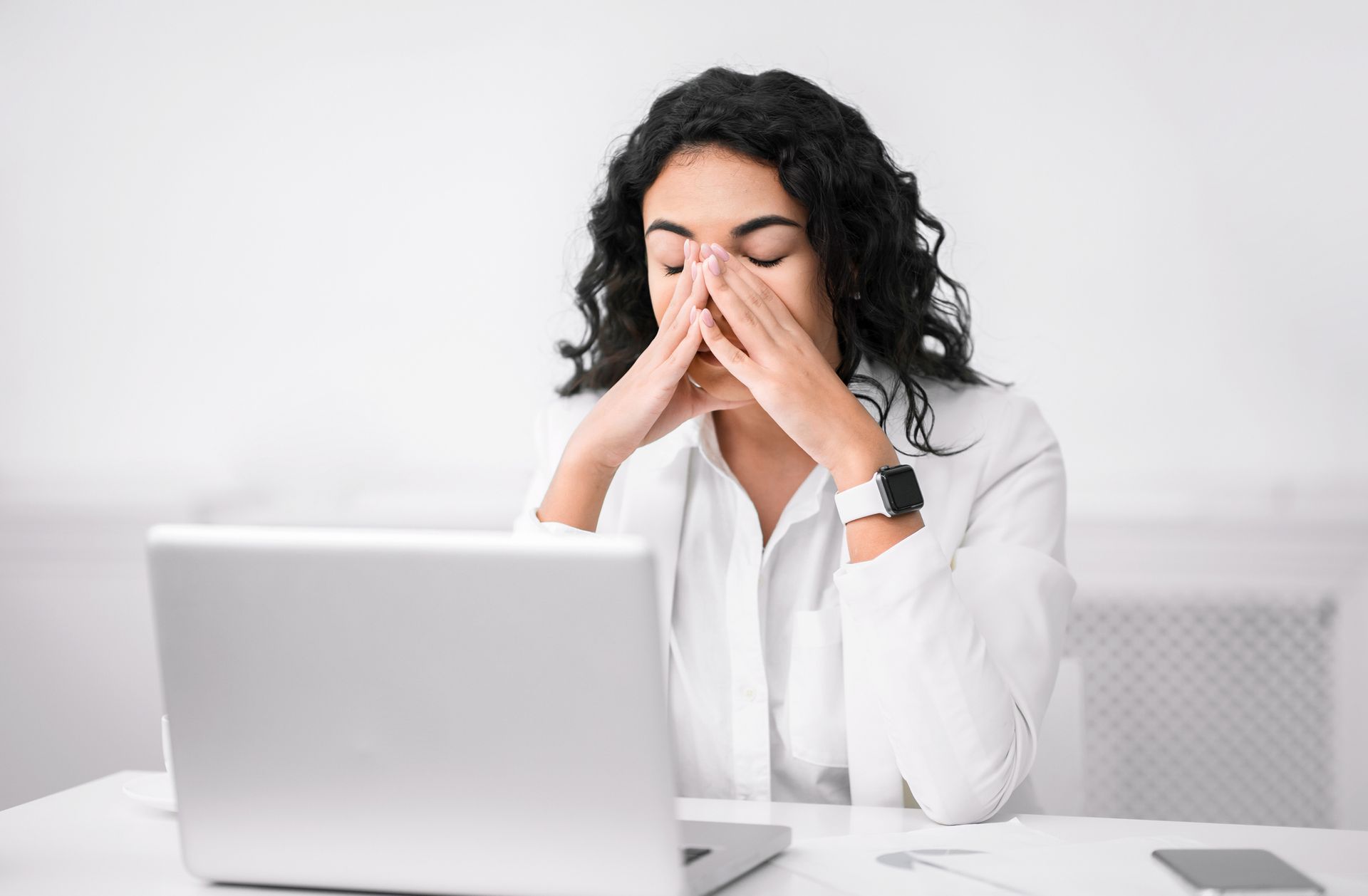
At Bay Vision, we regularly see patients experiencing the symptoms of digital eye strain. There are simple ways to reduce discomfort and protect your eyes.
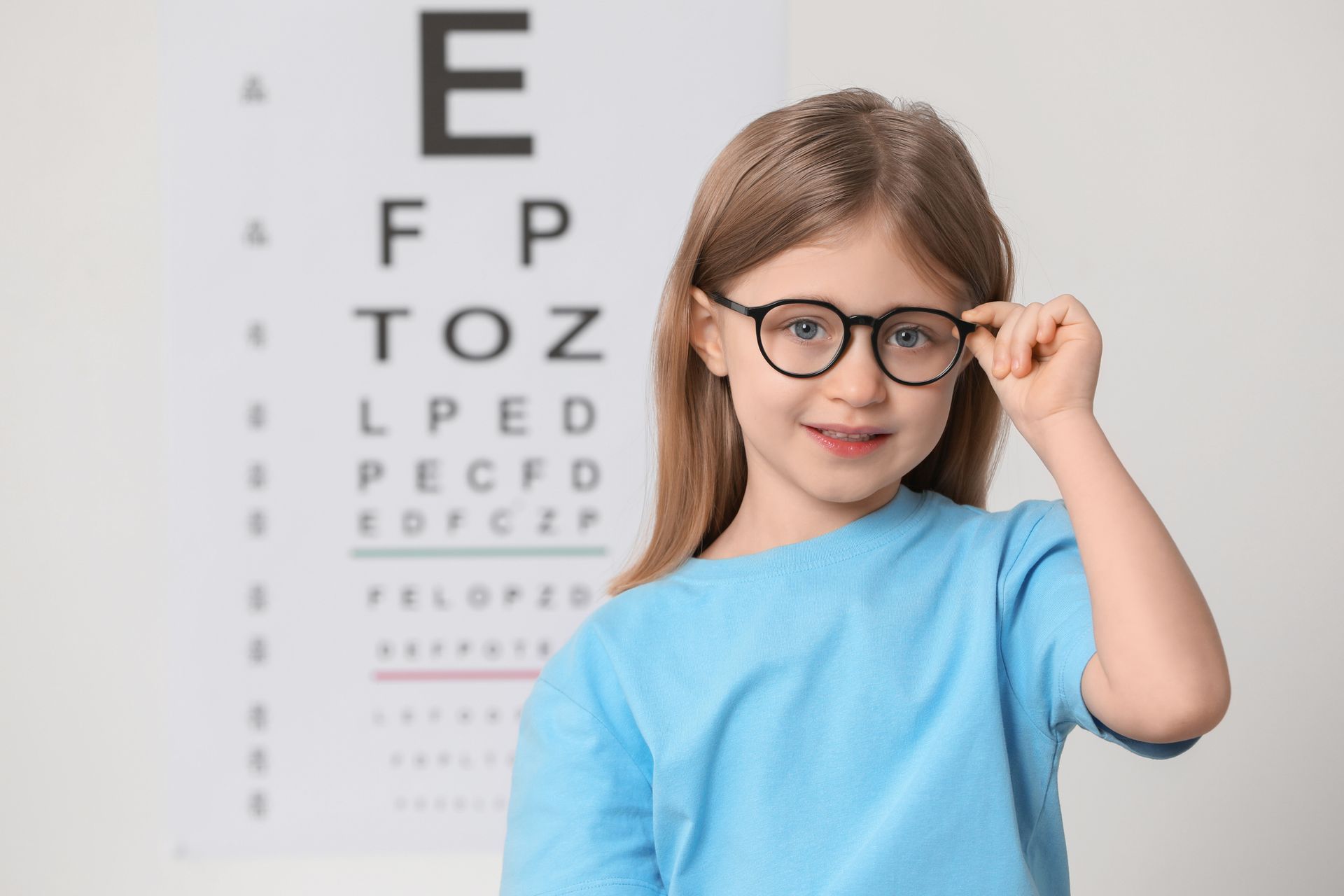
Most parents assume that a quick vision screening at school or the pediatrician’s office is enough to catch any eyesight problems their child may have. The truth is, those screenings mainly test for myopia (nearsightedness) —when children can’t see faraway objects clearly. But many kids actually struggle with the opposite problem: hypermetropia (farsightedness) . Why Farsighted Children Pass Screenings Farsighted children usually see the letters on a distant eye chart just fine, which is why they pass routine pediatric and school screenings. The real problem shows up up close , when they’re trying to read, write, or focus on schoolwork. Unfortunately, those screenings don’t test for near vision, so the issue often goes unnoticed. How Farsightedness Affects Learning When reading feels like a struggle, kids may: Avoid homework or reading assignments Lose focus in class and seem restless Act out when asked to read or study Appear to have attention problems, dyslexia, or even behavioral issues One common misunderstanding is when parents think their child is reversing letters or numbers (like saying “74” instead of “47”). In many cases, this isn’t dyslexia at all—it’s the eyes having trouble working together to stay on the same line. Signs Your Child May Be Farsighted If your child is experiencing farsightedness, you might notice: Skipping words or lines while reading Re-reading the same line Complaints of headaches or eye strain after school Difficulty concentrating on homework Over time, this can make reading exhausting, frustrating, and discouraging—impacting not just academics, but also a child’s confidence and behavior in the classroom. The Best Next Step: A Comprehensive Eye Exam Unlike quick screenings, a full pediatric eye exam with an optometrist will check both distance and near vision, as well as how the eyes work together. This ensures problems like farsightedness are caught early and treated properly. At Bay Vision in St. Petersburg, FL , our children’s eye care focuses on more than just “passing the chart.” We provide thorough, personalized evaluations to make sure kids have the clear vision they need to succeed in school and beyond. Parent Tip: If your child avoids reading, complains of eye strain, or has been flagged for possible attention or reading disorders, schedule a comprehensive pediatric eye exam . The right diagnosis can make all the difference in school performance and overall confidence.
while sunshine boosts your mood and lifestyle, it also brings a serious health concern: UV radiation.
Prolonged exposure to ultraviolet (UV) rays can cause long-term damage to your eyes. At Bay Vision, we’re here to help you protect your vision and look great doing it with high-quality, stylish sunglasses that provide full UV protection.
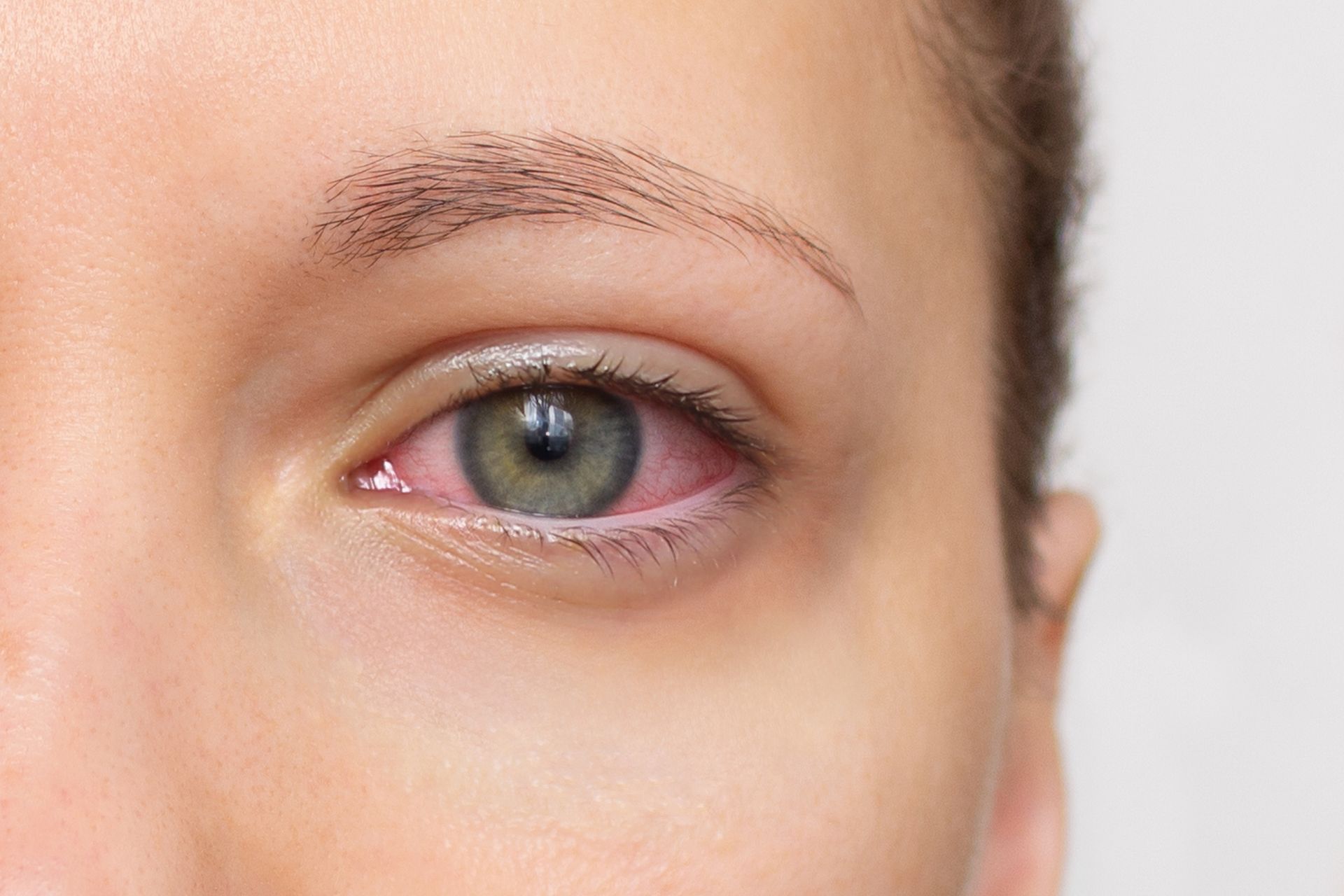
If your eyes constantly feel dry, gritty, or tired—especially from screen time or during allergy season-you’re not alone. We offer specialized services to treat the root causes .
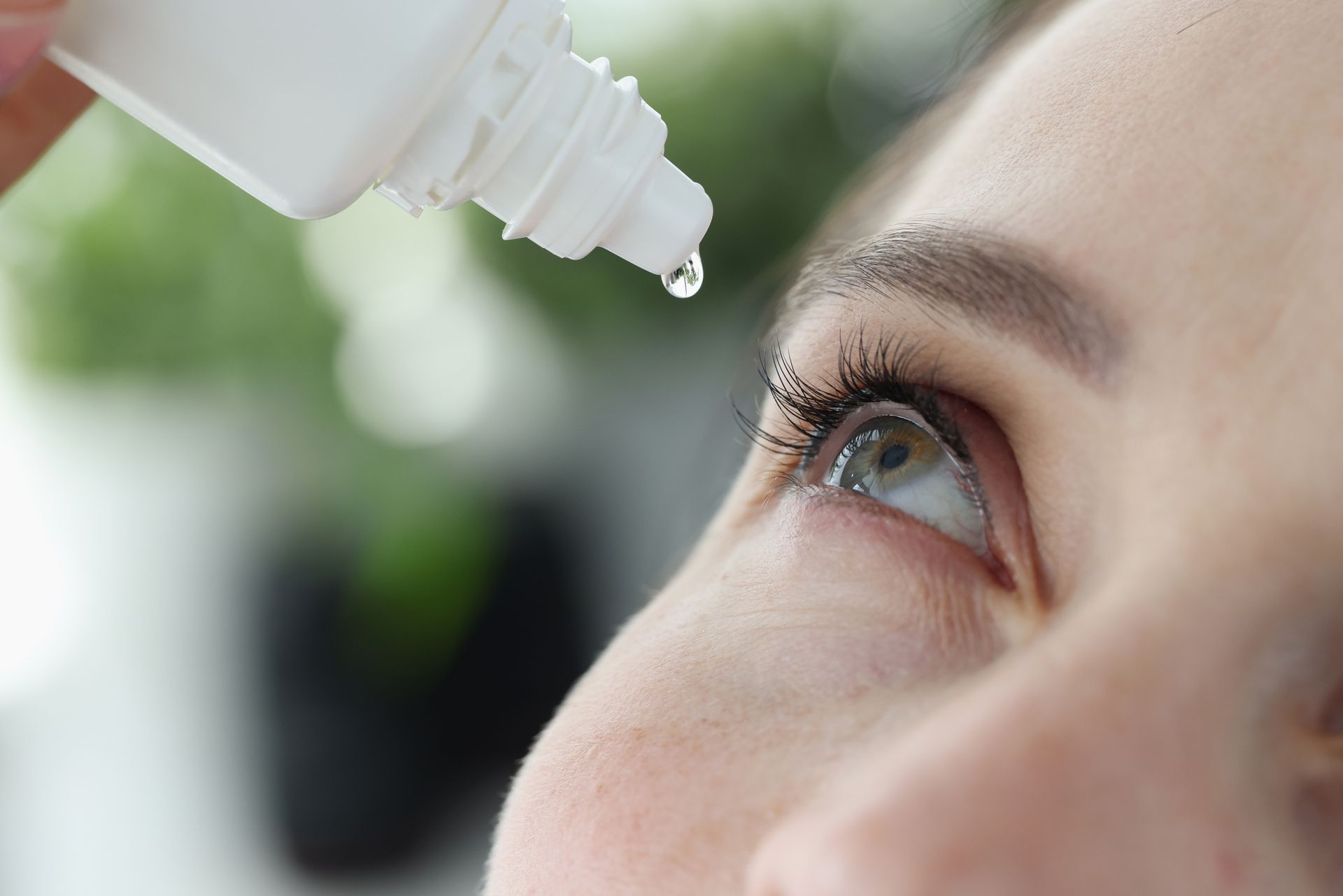
Living in Florida has beautiful weather, tropical landscapes, and year-round outdoor activities. But for many, the flip side of that is seasonal allergies.
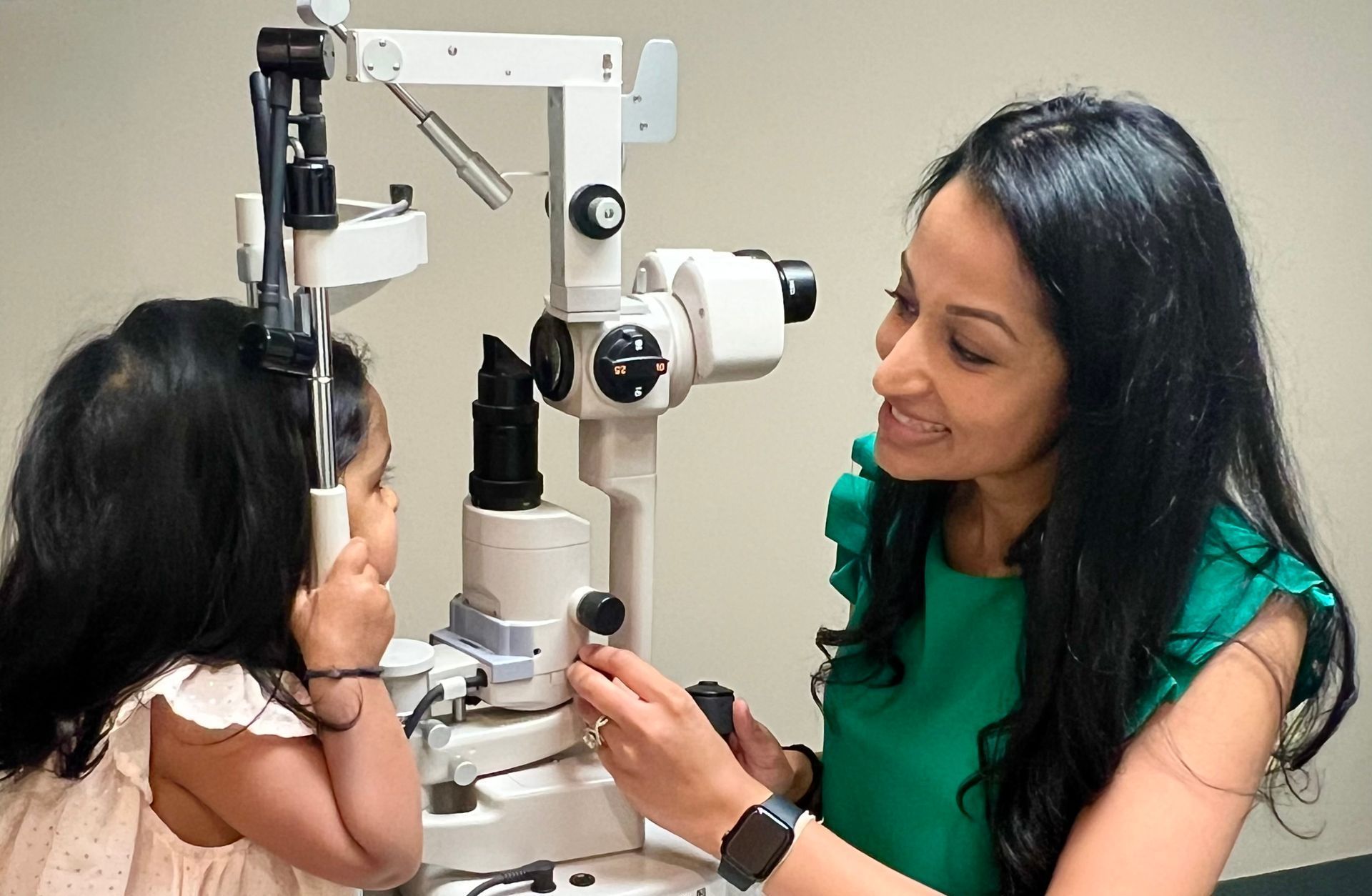
When it comes to your vision, choosing the right optometrist is a crucial decision. Your eyes are not only the windows to your world but also key indicators of overall health. With so many options available, how can St. Petersburg residents find the best optometrist to meet their needs? This guide will help you identify what to look for in an optometrist while highlighting why Bay Vision is a trusted choice for exceptional eye care in the area.
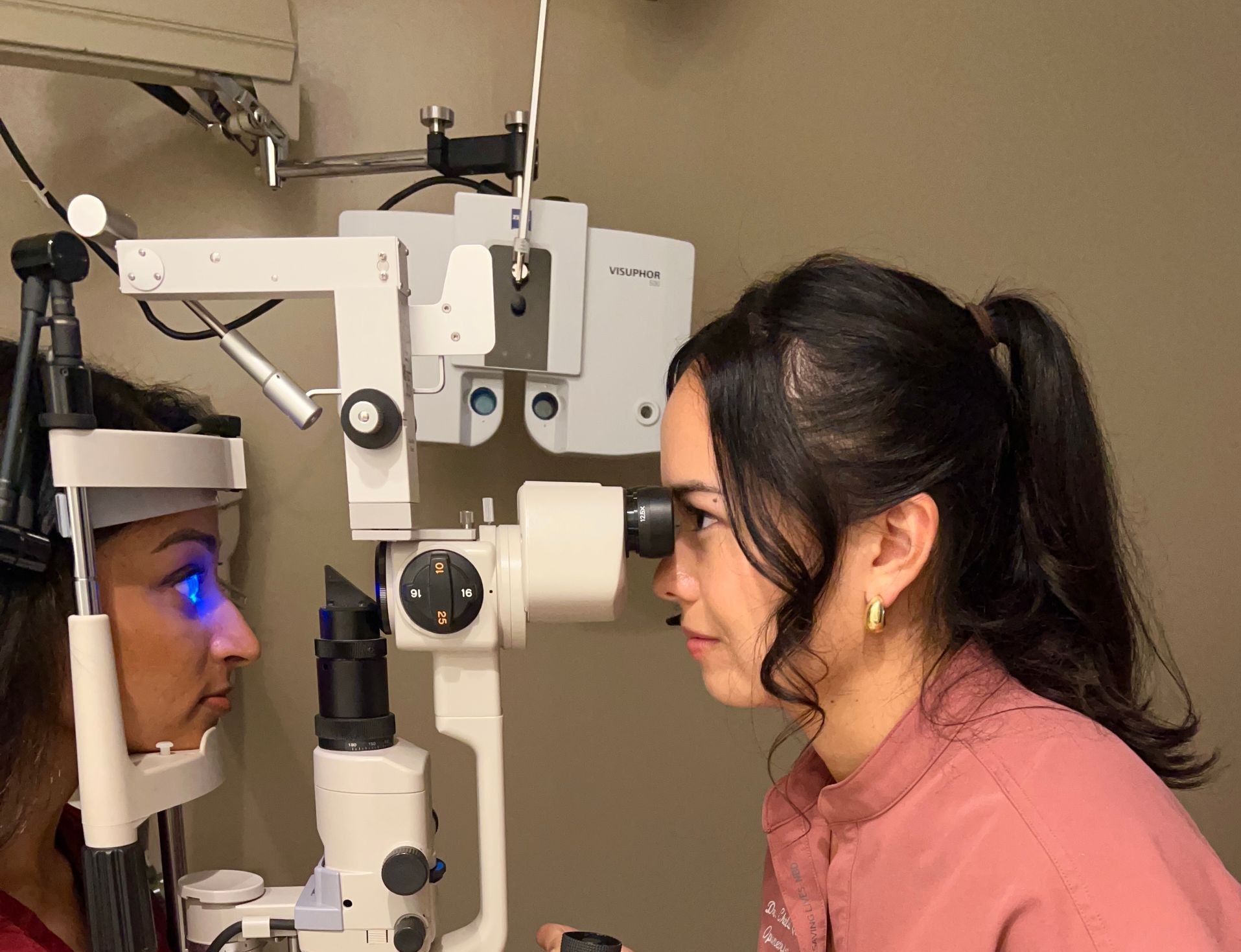
One of the most significant complications of diabetes is its effect on vision. Bay Vision specializes in providing comprehensive eye care for diabetic patients.